Correlating Equine Performance Logs With Racket Sport Metrics to Refine Layered Multi-Event Wagers

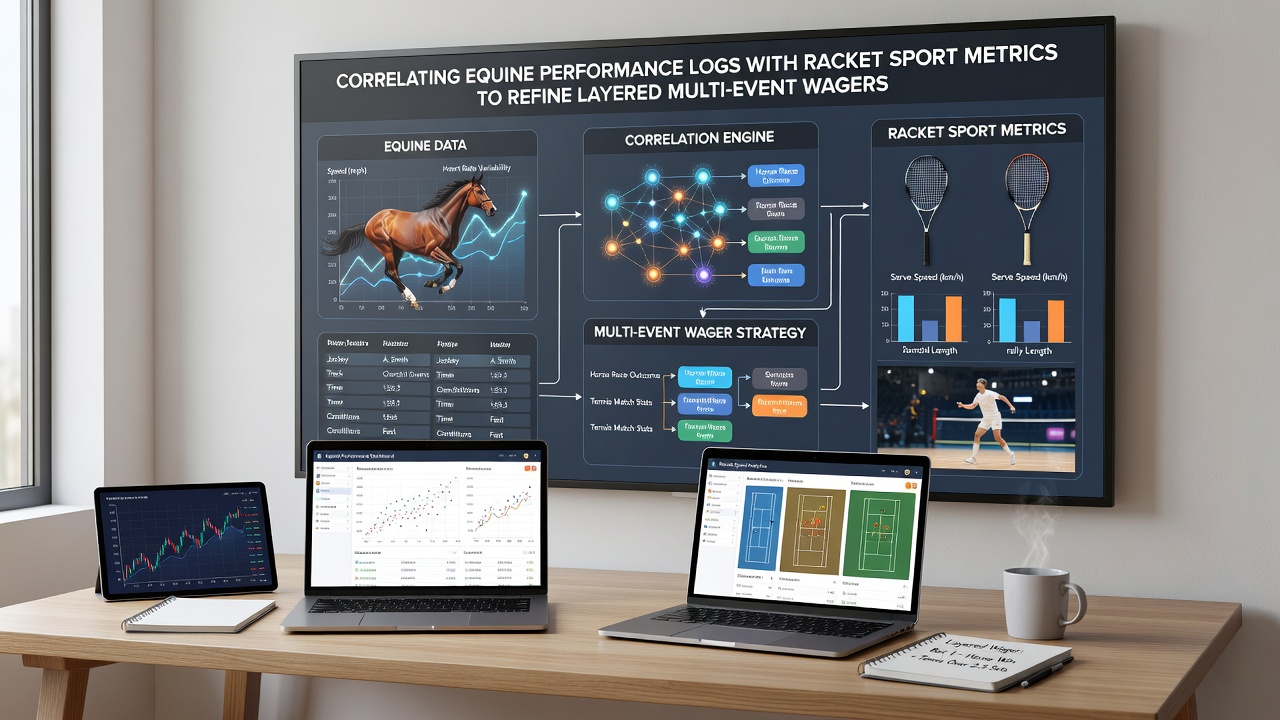
Equine performance logs capture detailed records of horse racing outcomes including speed figures, sectional times, and track conditions while racket sport metrics track elements such as serve percentages, rally lengths, and momentum shifts in tennis matches, and analysts combine these datasets to adjust layered multi-event wagers that stack bets across both disciplines.
Equine Performance Data Foundations
Performance logs from thoroughbred and harness racing events compile historical results across thousands of races each season, and organizations like the Racing Australia maintain centralized databases that record variables including ground conditions, distance covered, and jockey assignments. These records allow statistical models to identify patterns in finishing positions and margin of victory, whereas variables such as recent workout times provide additional inputs for predictive equations used in wager construction.
Researchers process this information through regression analysis to forecast probabilities for upcoming races, and the resulting outputs feed directly into accumulator structures that pair equine selections with tennis outcomes.
Tennis Metrics and Their Analytical Role
Racket sport data encompasses granular statistics gathered during ATP and WTA events where serve win rates, break point conversion, and average rally duration appear as measurable indicators of player form. In July 2026 observers noted elevated volumes of combined wagering during simultaneous scheduling of Wimbledon and several European racing festivals, which created overlapping data windows for correlation testing.
Models incorporate these tennis figures by weighting recent match performances against historical surfaces and opponent strengths, yet the integration requires alignment of time scales because equine logs often span weeks while tennis metrics update after each set or match.
Building Correlations Across Disciplines
Statistical teams apply cross-domain regression techniques that map equine speed ratings against tennis service hold percentages to detect coincidental trends in performance consistency, and software platforms normalize these values into comparable scales before insertion into betting algorithms. One study revealed that horses exhibiting strong late-race acceleration tended to align with tennis players maintaining high first-serve percentages during extended rallies, although the relationship varies by surface type and race distance.
Layered multi-event wagers benefit when these correlations reduce variance in combined probability estimates, and practitioners test the models against historical results from mixed racing and tennis calendars to measure improvement in return rates.
Refinement Techniques for Accumulators
Refinement occurs through iterative back-testing that feeds new equine logs and fresh tennis statistics into existing models, and adjustments follow when discrepancies appear between predicted and actual outcomes. Data from the Nevada Gaming Control Board indicates steady growth in multi-sport accumulator volumes through mid-2026, which has prompted operators to refine correlation engines that blend these two specific sports.
Threshold filters eliminate selections where correlation coefficients fall below established benchmarks, and remaining legs receive adjusted stake allocations based on the strength of the statistical link. Observers note that such filtering narrows the pool of viable combinations while preserving overall wager volume across major events.
Implementation in Operational Settings
Betting platforms integrate these refined models into customer interfaces that display suggested accumulator lines derived from the correlated datasets, and real-time updates occur as new race results or tennis match statistics become available. Case examples from Australian thoroughbred meetings paired with simultaneous ATP tournaments demonstrate how the approach narrows payout variance compared with uncorrelated selections.
Training sessions for model operators focus on interpreting coefficient outputs and applying surface-specific modifiers that account for turf versus hard-court differences in tennis alongside going descriptions in equine events.
Conclusion
Correlating equine performance logs with racket sport metrics supplies a structured method for adjusting layered multi-event wagers, and continued data collection through 2026 supports further calibration of the underlying statistical relationships. Operators and analysts maintain these systems by incorporating fresh results from both sports into ongoing model updates.