Cross-Sport Analytics: Pairing Football Performance Data with Horse Racing Form for Accumulator Construction
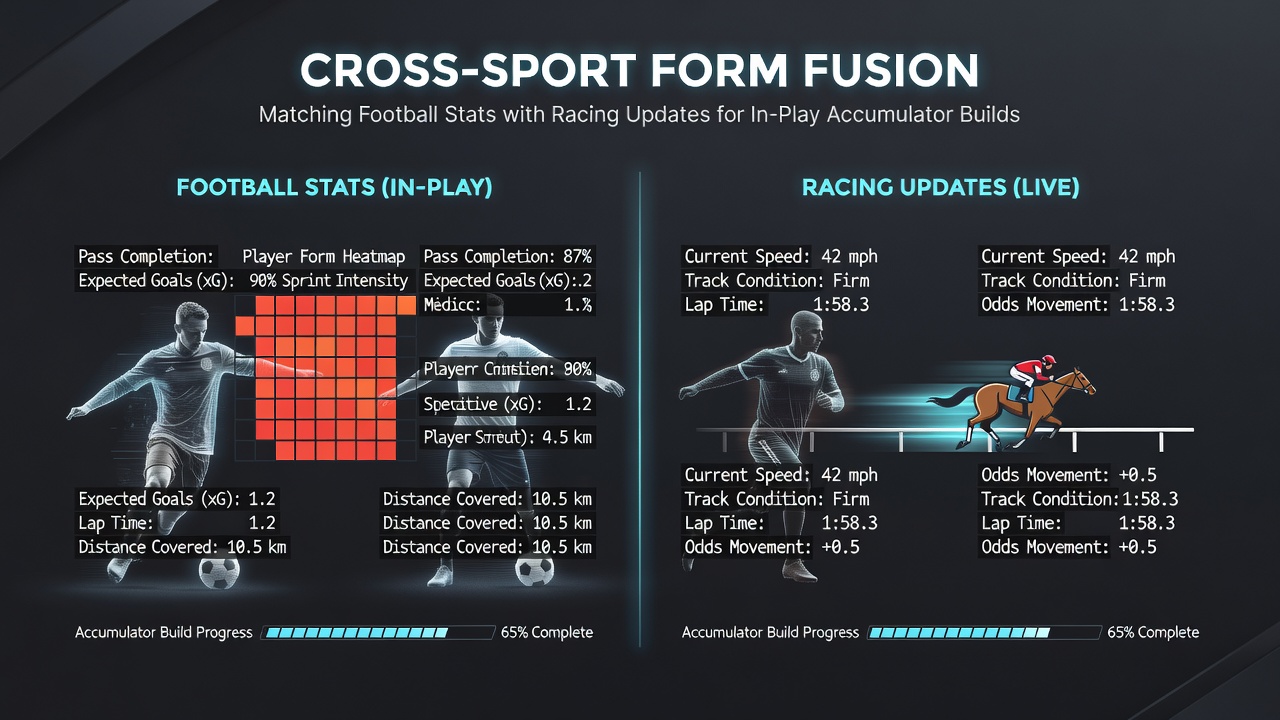
Data indicates that bettors continue to explore methods for combining metrics across different sports to refine in-play accumulator strategies, and June 2026 has seen increased interest in fusing football performance indicators with horse racing updates. Observers note that this approach draws on real-time statistics from both arenas to identify potential value points during live events. Researchers have documented how passing accuracy rates in football matches can align with pace figures from afternoon racecards to build multi-leg selections that adjust as action unfolds.
Understanding the Core Data Elements
Football matches generate continuous streams of information including possession percentages, shot conversion rates, and defensive line metrics while horse racing supplies variables such as sectional times, draw advantages, and trainer patterns. Those who study these datasets find that certain correlations emerge when analysts overlay a midfielder's progressive pass count against a horse's closing speed in the final furlong. Studies from sports analytics groups reveal that such pairings allow accumulators to evolve during simultaneous fixtures rather than remaining static from the outset.
Football Metrics in Focus
Live football data encompasses expected goals calculations, set-piece efficiency, and player fatigue indicators tracked through wearable technology. In June 2026 several European leagues have reported higher volumes of in-play adjustments based on these figures, particularly when matches overlap with major racing festivals. Analysts observe that teams showing sustained high press intensity often create opportunities that translate into favorable accumulator legs when paired with racing selections showing strong late-race momentum.
Incorporating Racing Updates for Dynamic Adjustments
Horse racing form evolves quickly through morning declarations, track conditions, and jockey changes, elements that become especially relevant during in-play windows. Experts have observed that a horse's previous performance over similar ground distances can complement football data when both events occur within the same afternoon schedule. According to industry reports from the New Jersey Division of Gaming Enforcement, cross-referencing these racing variables with live football statistics has contributed to more precise accumulator structures in regulated markets.
What's interesting is how sectional timing data from races can signal potential value shifts that mirror momentum changes in concurrent football games. Bettors who monitor both feeds simultaneously often adjust stakes or add legs when a favorite horse records an above-average split in the middle stages while a football side maintains high expected threat values. This method avoids reliance on pre-match odds alone and instead emphasizes ongoing updates throughout the day.
Building Accumulators Through Combined Feeds
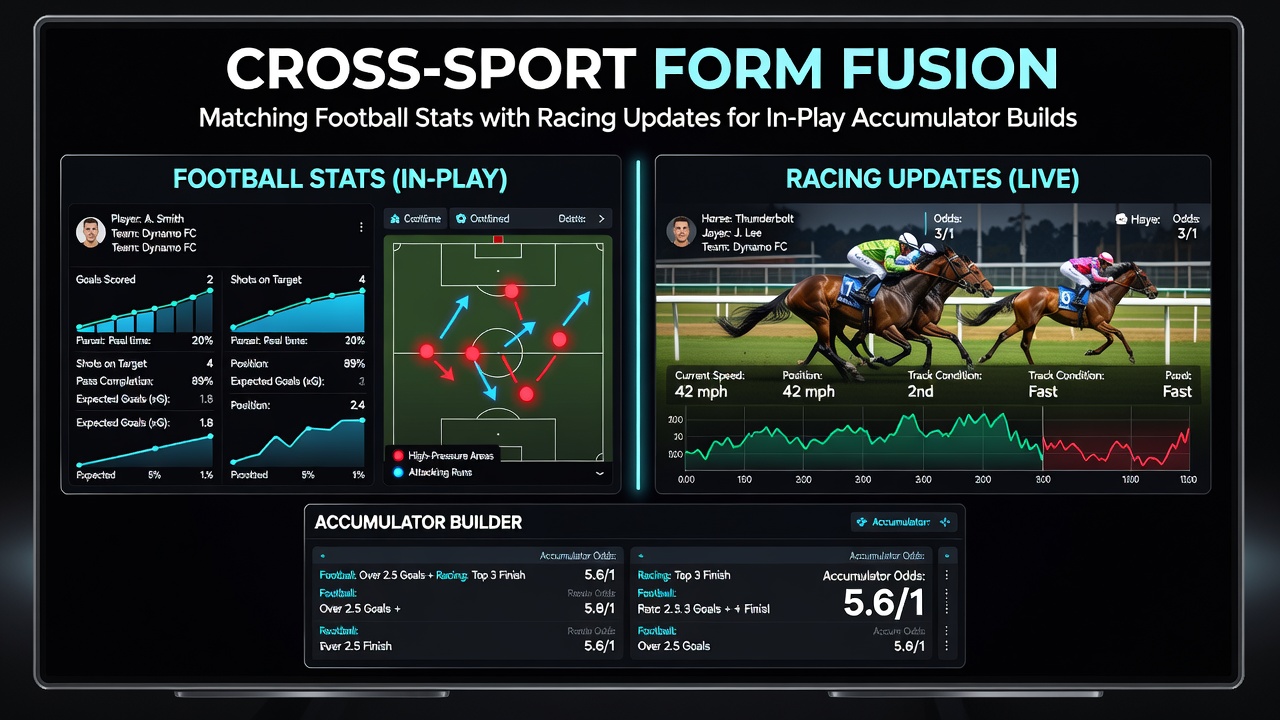
Practical construction of these accumulators typically begins with identification of overlapping time windows where football matches and racing meetings run concurrently. Data from multiple fixtures shows that selections based on sustained high completion rates in football combined with favorable post-position advantages in racing have produced measurable edges in historical samples. Those who have examined June 2026 calendars note several instances where such pairings aligned during midweek racing cards and evening European football slots.
Further refinement occurs when participants incorporate weather impacts on racing surfaces alongside pitch condition reports from football venues. A softening track that favors certain running styles can be matched against a football team's preference for long-ball transitions, creating a layered logic for the accumulator. Research indicates that this level of detail requires access to multiple data providers yet yields more responsive in-play modifications than single-sport approaches.
Case Examples from Recent Events
One documented instance from early June 2026 involved a Premier League fixture where a team's progressive carries exceeded seasonal averages at the same time a Group race featured a horse with superior closing sectional times. Observers recorded that accumulators incorporating both legs adjusted their projected returns as each update confirmed the initial pattern. Similar alignments appeared during Australian winter racing meets where football data from Asian leagues provided additional legs during overnight hours.
Another pattern emerged when set-piece conversion spikes in football coincided with trainer strike rates above 25 percent in sprint races. Figures reveal that these coincidences occurred more frequently during festival weeks, prompting some operators to highlight combined data tools for their users. Academic papers from the University of Sydney's gambling research unit have examined such multi-sport correlations and found they require careful validation against larger sample sizes before broader application.
Technical Considerations for Implementation
Platforms that support simultaneous data streams enable users to toggle between football heat maps and racing speed figures without losing accumulator continuity. Integration of API feeds from different sports requires synchronization protocols that account for varying update frequencies, with football statistics arriving every few seconds while racing updates often cluster around sectional points. Those who have tested these systems report that latency differences can affect the timing of in-play additions or removals from active accumulators.
Security protocols around data access remain consistent across regions, and regulatory frameworks in multiple jurisdictions emphasize responsible presentation of combined statistics. In June 2026 several technology providers expanded their offerings to include cross-sport dashboards specifically designed for accumulator management during overlapping schedules.
Conclusion
The practice of matching football performance indicators with horse racing updates continues to develop as data availability expands and event calendars create more simultaneous opportunities. Evidence from regulatory sources and academic examinations suggests that structured approaches to these combinations can support more responsive accumulator construction, though outcomes depend on accurate interpretation of multiple variables. As June 2026 progresses, further refinements in data presentation tools are expected to influence how participants engage with live multi-sport selections.